
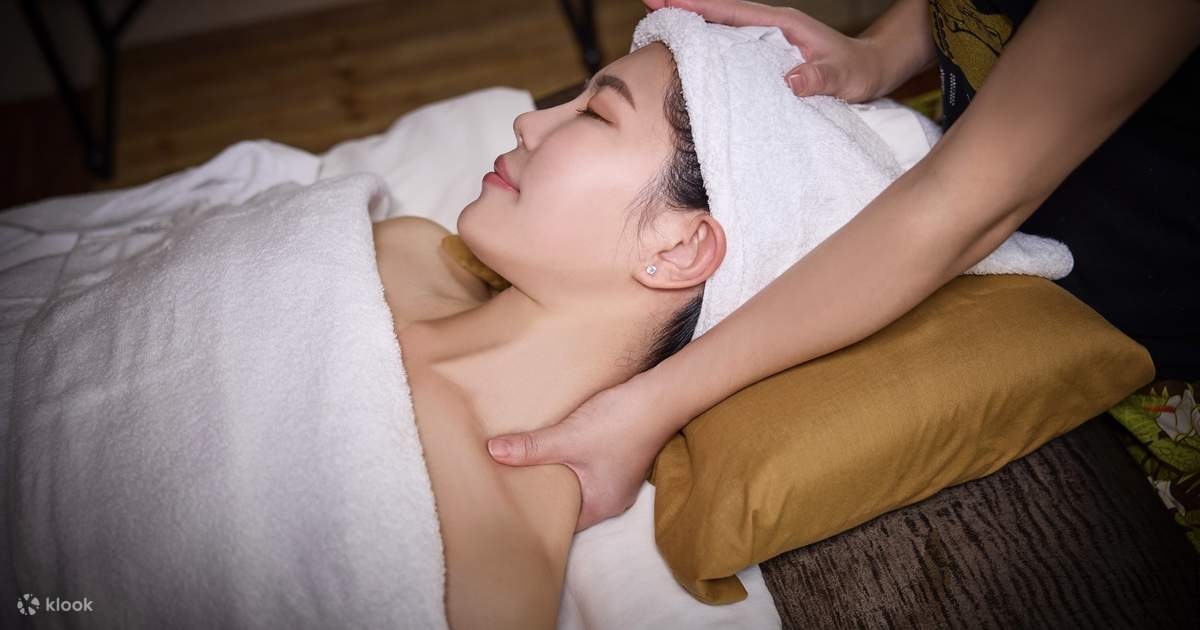
Traditional Thai massage is an important part of Thailand’s cultural heritage and a popular wellness experience for international travelers. Whether visiting Bangkok, Phuket, Chiang Mai, or another destination, understanding the treatment before booking can help visitors feel more confident and prepared. From choosing a reputable massage provider to communicating personal preferences, several practical considerations can make the experience more comfortable. Learning about traditional Thai kimmassagespa beforehand also helps travelers appreciate its techniques, cultural background, and professional standards.
Understanding the Basics of Traditional Thai Massage
Traditional Thai massage differs from many Western massage styles because it commonly combines rhythmic pressure, assisted stretching, and guided body movements. Depending on the practitioner and treatment style, sessions may take place on a floor mat or a specialized massage table. Unlike oil massage, traditional Thai massage is generally performed while the client wears comfortable clothing. Understanding these differences allows international visitors to choose a treatment that matches their expectations and comfort levels.
Choosing a Reputable Thai Massage Establishment
Selecting the right establishment is an essential step before booking a traditional Thai massage. Travelers should look for clean facilities, transparent pricing, professional communication, and clearly explained treatment options. Recent customer reviews can provide useful information about service quality and the overall environment. Visitors may also ask about practitioner training and experience. A reputable establishment should welcome reasonable questions and explain its procedures without pressuring customers into purchasing additional services.
Learning About Different Massage Techniques
Not every traditional Thai massage session feels the same. Some practitioners use gentle, flowing pressure, while others incorporate more intensive stretching and targeted pressure techniques. The appropriate approach depends on individual preferences, the practitioner’s methods, and the treatment offered. International visitors should review the service description carefully and request a gentler approach if they are unfamiliar with Thai massage. A professional therapist should adapt suitable techniques to the client’s comfort and communicate clearly throughout the session.
Understanding Clothing and Preparation Requirements
Traditional Thai massage typically involves comfortable clothing that allows movement during assisted stretching. Some establishments provide suitable garments, while others may explain what guests should bring or wear. Arriving a little early gives visitors time to complete registration, discuss preferences, and ask questions. It is also sensible to avoid arriving immediately after a heavy meal. These simple preparations can help make the appointment more relaxed and reduce unnecessary uncertainty for first-time visitors.
Communicating Health Concerns Before Treatment
Before receiving a massage, visitors should inform the practitioner about relevant health concerns, injuries, recent surgery, skin sensitivities, or other physical limitations. Certain techniques involving strong pressure or stretching may not be appropriate for everyone. Pregnant travelers or individuals with specific medical conditions should seek advice from a qualified healthcare professional before booking. Clear communication allows the provider to assess whether modifications are appropriate or whether postponing the treatment would be safer.
Knowing What to Expect During the Session
A traditional Thai massage session usually begins with a brief discussion about the client’s needs and preferred pressure level. The practitioner then uses selected techniques according to the agreed treatment. Visitors should understand that stretching may feel unfamiliar, particularly during their first experience. However, discomfort should never be treated as a necessary part of the session. Clients can request adjustments, ask questions, or stop the treatment whenever they feel uncomfortable.
Respecting Thai Culture and Professional Etiquette
Respectful behavior contributes to a positive massage experience. Visitors should follow the establishment’s guidance regarding footwear, personal belongings, and treatment-room procedures. Speaking politely, arriving on time, and respecting the practitioner’s professional boundaries are simple ways to demonstrate consideration. Traditional Thai massage has cultural roots that extend beyond tourism, so approaching the experience with curiosity and respect helps visitors appreciate the practice without making assumptions about local customs.
Understanding Prices, Packages, and Booking Policies
Massage prices in Thailand vary according to location, establishment type, treatment duration, and service level. A small neighborhood shop may offer different rates from a luxury hotel spa. Before confirming a reservation, travelers should check the total price, session length, included services, cancellation conditions, and accepted payment methods. Asking these questions in advance helps prevent misunderstandings. Visitors should also avoid assuming that every establishment follows the same pricing structure or service standards.
Tipping and Payment Expectations for International Guests
Tipping practices can vary between establishments and individual circumstances. Some businesses include service charges, while others leave gratuities to the customer’s discretion. International visitors should check the bill and follow any clearly stated payment policies. If a tip is appropriate, it should reflect satisfaction with the service and personal budget. Carrying some cash may be useful at smaller establishments, although payment options differ. Clear pricing and respectful communication are more important than feeling obligated to provide an additional payment.
Recognizing Hygiene and Professional Safety Standards
Cleanliness is an important consideration when choosing any massage provider. Visitors can look for fresh linens, clean treatment areas, appropriate hand hygiene, and well-maintained facilities. Practitioners should explain the treatment and respect personal boundaries. Travelers should also feel comfortable declining techniques they do not understand or services they did not request. If a provider dismisses safety concerns or applies unwanted pressure, leaving the establishment is a reasonable decision.
Finding the Right Treatment for Your Travel Itinerary
Planning a massage around sightseeing activities can improve the overall travel experience. Visitors who intend to explore temples, markets, or walking trails may prefer scheduling a session after completing physically demanding activities. Others may choose a morning appointment before beginning a relaxed day. Allowing sufficient time between treatments and other commitments prevents unnecessary rushing. Travelers should also consider transportation, local weather, and appointment availability when organizing their schedule.
Making Your First Traditional Thai Massage Experience Enjoyable
International visitors can enjoy traditional Thai massage by approaching the treatment with realistic expectations and an open mind. Researching providers, communicating preferences, understanding cultural etiquette, and reviewing prices are practical steps that support a positive experience. Most importantly, personal comfort and consent should remain central throughout the appointment. With thoughtful preparation, travelers can explore this distinctive Thai wellness tradition while enjoying a professional service that respects their individual needs.
Conclusion: Prepare Before Booking a Traditional Thai Massage
Booking a traditional Thai massage involves more than selecting a convenient location or attractive price. Understanding the techniques, checking professional standards, communicating health concerns, and respecting local customs can help international visitors make informed decisions. Every establishment offers a different experience, so taking time to compare available options is worthwhile. With the right preparation, traditional Thai massage can become a meaningful part of a Thailand holiday, combining cultural discovery with a considered approach to personal relaxation.