
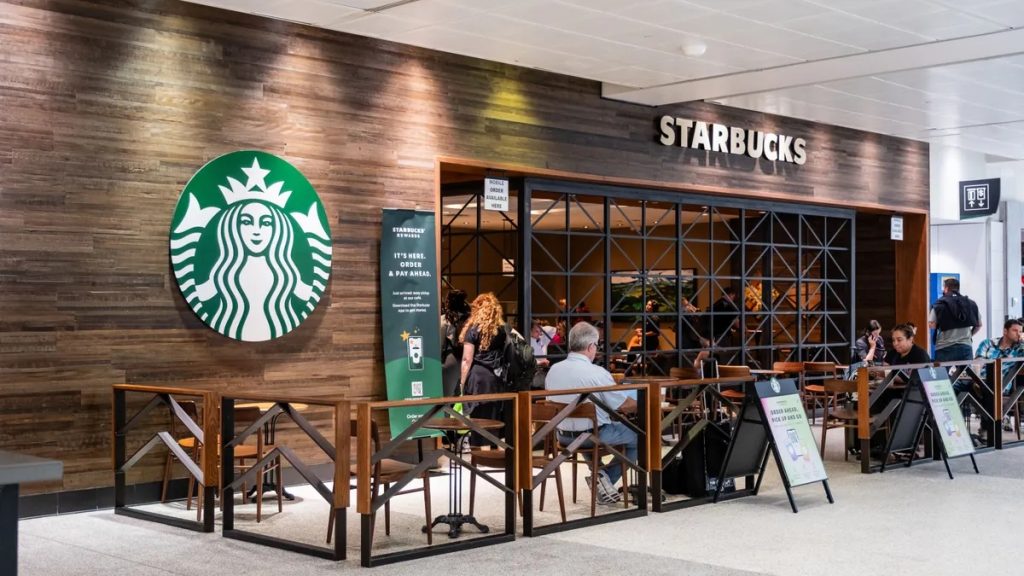
Innovative cafe architecture and interior design play an important role in creating memorable coffee shop experiences. A successful cafe is not simply a commercial space where customers purchase beverages and meals. It is also a social destination where people gather, work, relax, and discover new environments. Modern cafe design combines architectural creativity, practical layouts, attractive materials, and comfortable interior elements to establish a distinctive atmosphere. From contemporary building structures to carefully designed seating arrangements, every detail can influence how customers perceive a cafe. Exploring innovative design ideas can help business owners create spaces that attract attention while supporting everyday operations.
1. Experiment with Modern Architectural Forms
Modern architectural forms can give a cafe a distinctive appearance and make it stand out from surrounding buildings. Instead of relying entirely on traditional rectangular structures, designers can explore curved walls, asymmetrical facades, geometric volumes, and interesting roof configurations. These architectural features create visual character while providing opportunities for creative interior arrangements. Large openings and carefully positioned windows can also improve the relationship between indoor and outdoor environments. https://www.starbucksstoredesign.com/ The most effective architectural concepts combine originality with functionality, ensuring that the building remains comfortable, accessible, and suitable for its intended purpose.
2. Create an Open and Spacious Interior Layout
An open interior layout can make a cafe feel larger, brighter, and more welcoming. Removing unnecessary partitions allows different areas to connect naturally while improving customer movement. Designers can organize the space into several functional zones, including dining areas, ordering counters, beverage preparation sections, and waiting spaces. Open layouts are particularly useful for smaller cafes because they reduce visual barriers and maximize available floor space. However, maintaining a sense of organization remains important. Furniture placement, lighting arrangements, and subtle changes in flooring can help define individual areas without making the interior feel crowded.
3. Combine Industrial and Contemporary Design Elements
Industrial design offers an interesting architectural direction for modern cafes. Exposed concrete ceilings, metal frames, brick walls, and visible structural components can create a distinctive urban atmosphere. These elements can be balanced with contemporary furniture, soft upholstery, and warm lighting to prevent the environment from feeling too cold. Natural wood surfaces are especially effective when paired with darker metal finishes. This combination creates visual contrast while maintaining a comfortable appearance. Industrial-inspired interiors are suitable for cafes that want to communicate creativity, authenticity, and a relaxed modern identity.
4. Use Glass Facades to Connect Indoor and Outdoor Spaces
Glass facades are an excellent solution for cafes that want to maximize natural light and create stronger visual connections with their surroundings. Large windows allow customers to enjoy outdoor views while making the interior appear more open. Transparent sliding doors can also connect indoor seating areas with patios, gardens, or outdoor dining spaces. In addition to improving the visual experience, glass surfaces help showcase the cafe interior to people passing by. Appropriate shading, ventilation, and temperature control should also be considered to maintain comfort throughout different weather conditions.
5. Introduce Sustainable Architectural Materials
Sustainable materials can improve the environmental character of cafe architecture while creating attractive visual textures. Reclaimed timber, recycled metal, natural stone, bamboo, and responsibly sourced construction products offer interesting design possibilities. These materials can be used for wall finishes, furniture, flooring, ceilings, and decorative architectural features. Selecting durable materials is equally important because commercial interiors experience frequent daily use. Designers should consider maintenance requirements, material lifespan, and environmental impact when planning a project. A thoughtful material strategy can produce an appealing cafe that remains practical over time.
6. Design a Memorable Outdoor Cafe Environment
Outdoor seating can significantly expand the functionality of a cafe while offering customers a different dining experience. Terraces, garden patios, rooftop seating, and sidewalk dining areas can create attractive environments for enjoying coffee in fresh air. Comfortable outdoor furniture, suitable shade structures, and decorative plants help establish a relaxing atmosphere. Pergolas and lightweight canopies can provide protection from direct sunlight, while weather-resistant materials improve long-term durability. Outdoor spaces should also include appropriate lighting and accessible pathways to ensure they remain practical during different operating hours.
7. Make Lighting Part of the Architectural Concept
Lighting should be considered during the early stages of cafe architectural planning rather than treated as a final decorative addition. Natural daylight can be introduced through skylights, large windows, and strategically positioned openings. Artificial lighting can then complement the architectural structure through recessed fixtures, pendant lamps, wall lights, and concealed illumination. Different lighting levels can help distinguish dining areas from service counters and decorative displays. Warm lighting creates a welcoming atmosphere, while focused illumination improves visibility in important working areas. A coordinated lighting strategy enhances both appearance and everyday functionality.
8. Incorporate Biophilic Design into Cafe Interiors
Biophilic design introduces natural elements into built environments to create a stronger connection with nature. In cafes, this approach can include indoor gardens, vertical plant walls, natural stone, timber finishes, and large windows overlooking greenery. Plants can also soften hard architectural surfaces and introduce refreshing colors into contemporary interiors. Designers may use natural patterns, earthy tones, and organic shapes to strengthen the overall concept. The placement of greenery should consider available daylight, watering requirements, and maintenance needs. When properly planned, biophilic elements can make a cafe feel more peaceful and inviting.
9. Develop Creative Ceilings and Architectural Details
Ceilings provide an additional opportunity to introduce originality into cafe architecture. Instead of leaving every ceiling surface plain, designers can experiment with exposed beams, wooden slats, curved panels, decorative lighting structures, and carefully arranged acoustic materials. These features can create visual depth while helping define the character of the interior. Architectural details should complement the overall concept rather than compete with other design elements. In busy coffee shops, acoustic treatments are particularly useful because they can reduce excessive noise and improve conversations between customers.
10. Prioritize Ergonomics and Functional Design
Innovative cafe architecture must support practical daily activities as well as visual creativity. Customers need comfortable seating, sufficient table space, accessible entrances, and clear circulation paths. Employees require efficient working areas, convenient storage, and well-organized beverage preparation stations. The distance between ordering counters, pickup points, and seating zones should be carefully considered to prevent unnecessary congestion. Ergonomic furniture and appropriate counter heights can also improve comfort and productivity. By integrating functional requirements into the architectural concept, designers can create attractive environments that work effectively for both customers and staff.
11. Personalize the Interior with Artistic Features
Artistic details can give a cafe a distinctive personality and help establish a recognizable visual identity. Custom wall installations, handmade ceramics, local artwork, sculptural furniture, and creative display shelves can introduce individuality without overwhelming the space. Designers can also collaborate with local artists to incorporate cultural references and original decorative elements. The key is selecting artwork that supports the architectural concept and communicates the intended atmosphere. Carefully curated details make the interior feel more personal while providing customers with interesting visual features to appreciate.
Conclusion: Building the Future of Cafe Architecture
Innovative cafe architecture and interior ideas demonstrate how creative planning can transform ordinary coffee shops into attractive and functional destinations. Modern architectural forms, open layouts, sustainable materials, glass facades, outdoor seating, and natural elements all contribute to a more engaging environment. However, successful cafe design requires more than visual creativity. Comfort, accessibility, operational efficiency, and long-term durability must remain important priorities throughout the planning process. By combining these considerations with a clear design identity, cafe owners and architects can develop distinctive spaces that encourage customer interaction and create lasting impressions.