
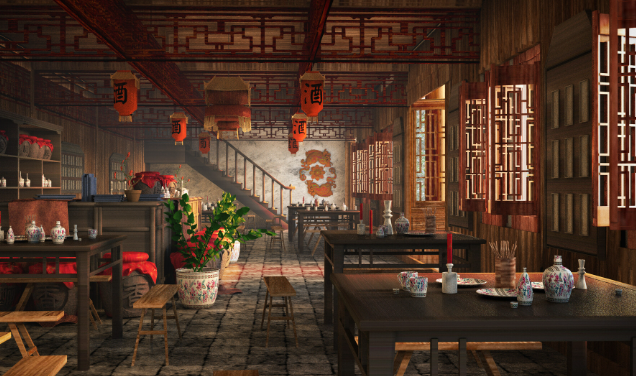
A Chinese restaurant offers an inviting range of dishes for diners who want flavorful meals newhongkongchineserestaurant.com with different textures, aromas, and cooking styles. From delicate dumplings and fragrant noodles to savory seafood, roasted meats, fresh vegetables, and comforting soups, Chinese cuisine provides plenty of choices for different preferences. Each dish can bring its own combination of seasonings and ingredients, creating a dining experience that feels varied from the first bite to the last. Choosing the right dishes can make a restaurant visit more enjoyable, especially when diners combine familiar favorites with specialties they have never tried before.
Exploring the Variety of Chinese Restaurant Choices
Chinese cuisine covers many regional traditions, so restaurant menus can offer remarkably different flavor profiles. Cantonese dishes often highlight fresh ingredients and balanced seasoning, while Sichuan specialties bring chili, garlic, and Sichuan peppercorns into the spotlight. Hunan cuisine often delivers pronounced chili flavors, while Jiangsu cooking focuses on refined textures and carefully developed sauces. Other regional traditions emphasize seafood, noodles, vegetables, braised meats, or aromatic broths. This variety gives diners plenty of opportunities to create a meal that matches their preferred flavors.
Dumplings for a Shared Dining Experience
Dumplings make an excellent choice for diners who enjoy variety. Steamed dumplings offer soft wrappers and flavorful fillings, while pan-fried versions add a crisp base for extra texture. Restaurants may fill dumplings with pork, shrimp, chicken, mushrooms, cabbage, chives, or other vegetables. Soup dumplings provide another option with savory broth enclosed inside a delicate wrapper. Dipping sauces can add soy sauce, vinegar, ginger, scallions, sesame oil, or chili to each bite. Ordering several varieties allows everyone at the table to sample different combinations.
Noodles for Comfort and Flavor
Noodles provide a satisfying foundation for a flavorful Chinese meal. Stir-fried noodles can combine vegetables, meat, seafood, and savory sauces, while noodle soups offer warmth through fragrant broths. Lo mein generally features soft noodles with a rich coating of sauce, while chow mein can provide a firmer texture through high-heat cooking. Handmade noodles offer another experience because their texture often feels springier and more substantial. Diners can choose noodle dishes based on whether they prefer spicy sauces, savory broths, fresh vegetables, or tender proteins.
Fried Rice With Familiar Appeal
Fried rice remains a reliable favorite for many diners. Chefs can combine rice with egg, scallions, vegetables, shrimp, chicken, pork, or beef, creating different versions of the classic dish. High-heat cooking develops a pleasant aroma while helping the grains maintain a distinct texture. Fried rice works well as a main course, but it also pairs naturally with saucy entrées. Its relatively balanced flavor makes it useful for creating contrast when the table includes dishes with stronger spice or richer seasoning.
Seafood for Lighter Flavor Profiles
Seafood provides plenty of options for diners who prefer delicate yet flavorful dishes. Steamed fish with ginger and scallions can highlight the natural taste of fresh seafood, while stir-fried shrimp and scallops can bring stronger aromatic notes. Garlic, ginger, chili, vegetables, and savory sauces can enhance seafood without completely covering its character. Preparation matters greatly because overcooking can affect both texture and flavor. When chefs use careful timing, seafood can provide a tender and refreshing element alongside richer dishes.
Roasted Meat for Richer Tastes
Roasted meat can become the centerpiece of a Chinese restaurant meal. Peking duck combines crisp skin and tender meat with thin pancakes, cucumber, scallions, and savory sauce. Other roasted specialties can include glazed pork and other Cantonese-style preparations with aromatic marinades. Roasting creates a satisfying contrast between crisp surfaces and tender interiors. These dishes often work especially well for shared dining because several people can enjoy small portions alongside rice, noodles, vegetables, and appetizers.
Spicy Dishes for Bold Palates
Diners who enjoy intense flavors can explore spicy Chinese specialties. Sichuan-inspired dishes often combine chili peppers with Sichuan peppercorns, creating heat alongside a distinctive tingling sensation. Mapo tofu offers soft tofu in a richly seasoned sauce, while kung pao dishes combine spicy, savory, sweet, and nutty elements. Hunan-style dishes can provide a more direct chili flavor with aromatic ingredients. Since spice levels can differ between restaurants, diners can ask the staff for recommendations based on their preferred level of heat.
Vegetable Dishes for Freshness
Vegetable dishes provide an important contrast to rich meat and fried specialties. Chinese restaurants can transform bok choy, Chinese broccoli, mushrooms, snow peas, cabbage, eggplant, and seasonal greens through stir-frying, steaming, braising, or roasting. Garlic, ginger, scallions, and sesame oil can add fragrance, while savory sauces provide additional depth. Quick stir-frying can help vegetables retain their natural texture. Adding one or two vegetable dishes to a shared table can make the overall meal feel more varied and balanced.
Soups for a Comforting Addition
A bowl of Chinese soup can add warmth and a different texture to the dining experience. Wonton soup combines delicate dumplings with savory broth, while hot and sour soup creates a stronger contrast through acidity and spice. Egg drop soup provides a lighter option with silky strands of cooked egg. Some restaurants also serve seafood soups, chicken broths, mushroom soups, and regional specialties. Soup can work as a starter or as part of a larger shared meal, particularly when diners order several rich dishes.
Traditional Sauces and Aromatic Ingredients
The sauces and aromatics used in Chinese cooking help create memorable flavor combinations. Soy sauce adds savory depth, rice vinegar provides acidity, and sesame oil contributes fragrance. Ginger, garlic, and scallions build an aromatic foundation, while chili introduces different levels of heat. Fermented ingredients can add complexity and umami to sauces, marinades, and stir-fries. The balance between these components determines whether a dish tastes mild, spicy, sweet, tangy, or deeply savory. This careful balance gives even familiar ingredients a distinctive character.
Creating a Balanced Table
Choosing several dishes with different characteristics can create a more enjoyable dining experience. Diners might combine crispy spring rolls with soft dumplings, spicy meat with steamed vegetables, or roasted duck with plain rice. Noodles can add chewiness, while soup introduces warmth and moisture. Sharing dishes also allows everyone to taste more options without ordering an individual portion of everything. This approach makes it easier to discover unexpected favorites while keeping the overall meal varied.
Choosing Dishes for Different Dining Occasions
Different occasions can call for different Chinese restaurant choices. A casual lunch may suit fried rice, noodles, dumplings, or a simple stir-fry. A family meal can include several shared dishes with seafood, vegetables, roasted meat, and rice. And a special dinner may call for Peking duck, premium seafood, or regional specialties that require more preparation. Groups with different preferences can mix mild and spicy dishes so everyone finds something enjoyable. The flexibility of Chinese cuisine makes it suitable for both relaxed meals and more memorable dining occasions.
Discovering New Flavor Combinations
Trying unfamiliar dishes can make a familiar restaurant feel completely different. Diners can ask about regional specialties, seasonal dishes, or chef recommendations before placing an order. Pairing a new dish with a trusted favorite also makes experimentation easier. Someone who usually chooses fried rice might discover handmade noodles, while a seafood lover could explore a spicy Sichuan preparation. Small changes in ordering habits can gradually introduce new flavors, textures, and cooking techniques.
Making Every Dining Moment More Flavorful
A flavorful Chinese restaurant experience comes from more than choosing popular dishes. Fresh ingredients, precise cooking techniques, balanced sauces, and thoughtful combinations all contribute to the meal. Exploring dumplings, noodles, seafood, roasted meats, vegetables, soups, and regional specialties allows diners to experience different sides of Chinese cuisine. Sharing several dishes creates even more possibilities because each plate can contribute a new texture or flavor to the table. With such a broad culinary range, Chinese restaurant dining gives food lovers plenty of ways to create satisfying and memorable meals.